
The Asia Cohort Consortium
Blog
ACC Blog Read the posts from young researchers introducing ACC activities and their research updates
If the entire page does not display properly, please use the smartphone site here, where the original images of the photos available.
| Team Jung Eun Lee |
| Published October14, 2026, Jung Eun Lee (Seoul National University) |
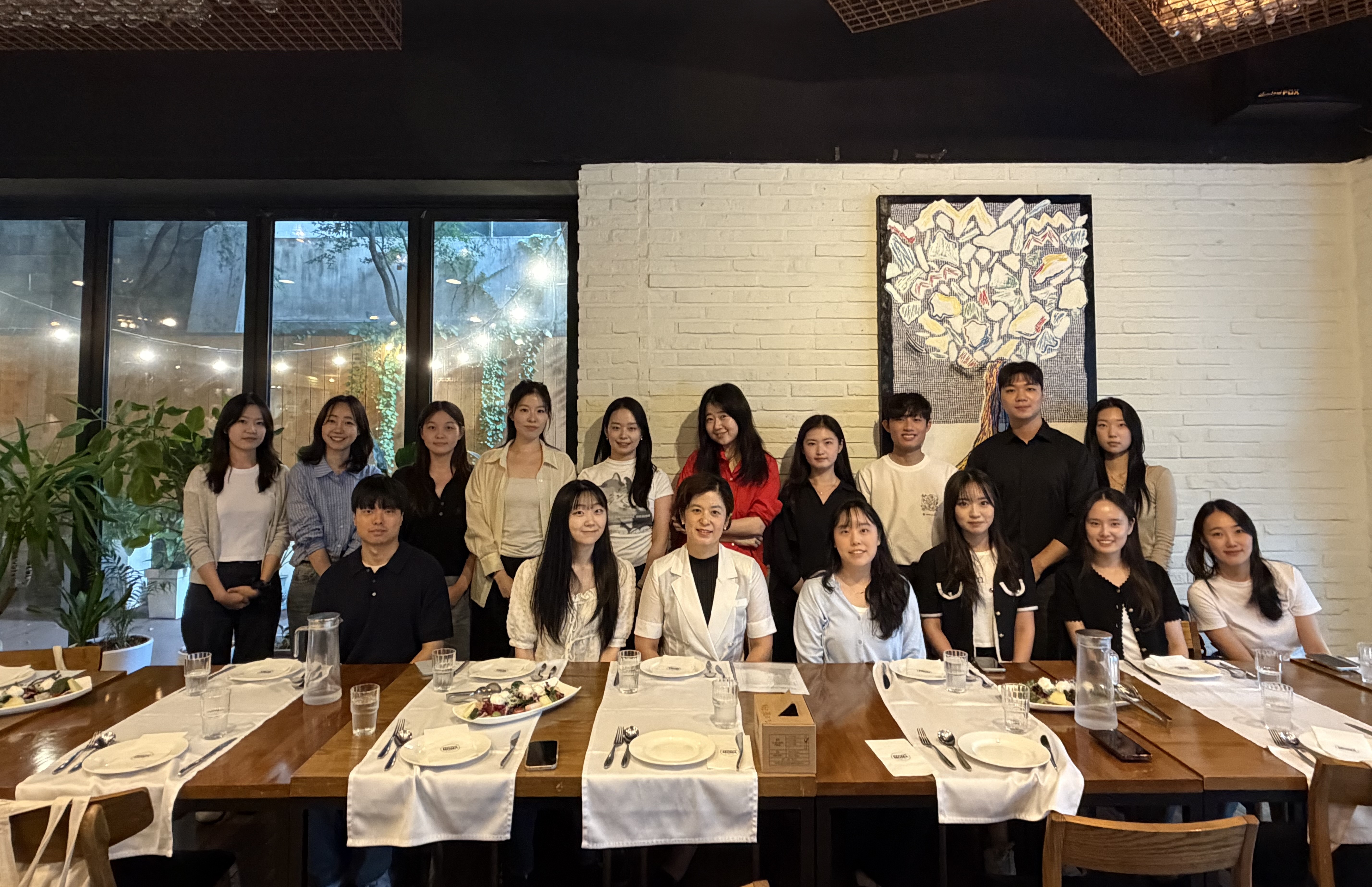 |
| Professor Jung Eun Lee’s Nutritional Epidemiology team in the Department of Food and Nutrition at Seoul National University investigates how dietary and lifestyle factors are associated with the development and progression of chronic diseases. Through population-based and intervention studies, the team aims to generate scientific evidence to support disease prevention and health promotion. The team also conducts research on nutritional epidemiology methods, dietary assessment, and telenutrition. Professor Lee is actively involved in national and international collaborative projects on cancer survivorship, immigrant women’s health, the Korea Nurses’ Health Study, and the Asia Cohort Consortium (ACC). |
| Sharing Cancer Prevention Research with the Public | |
| Published September 30, 2026, Keiko Wada (National Cancer Center Japan) | |
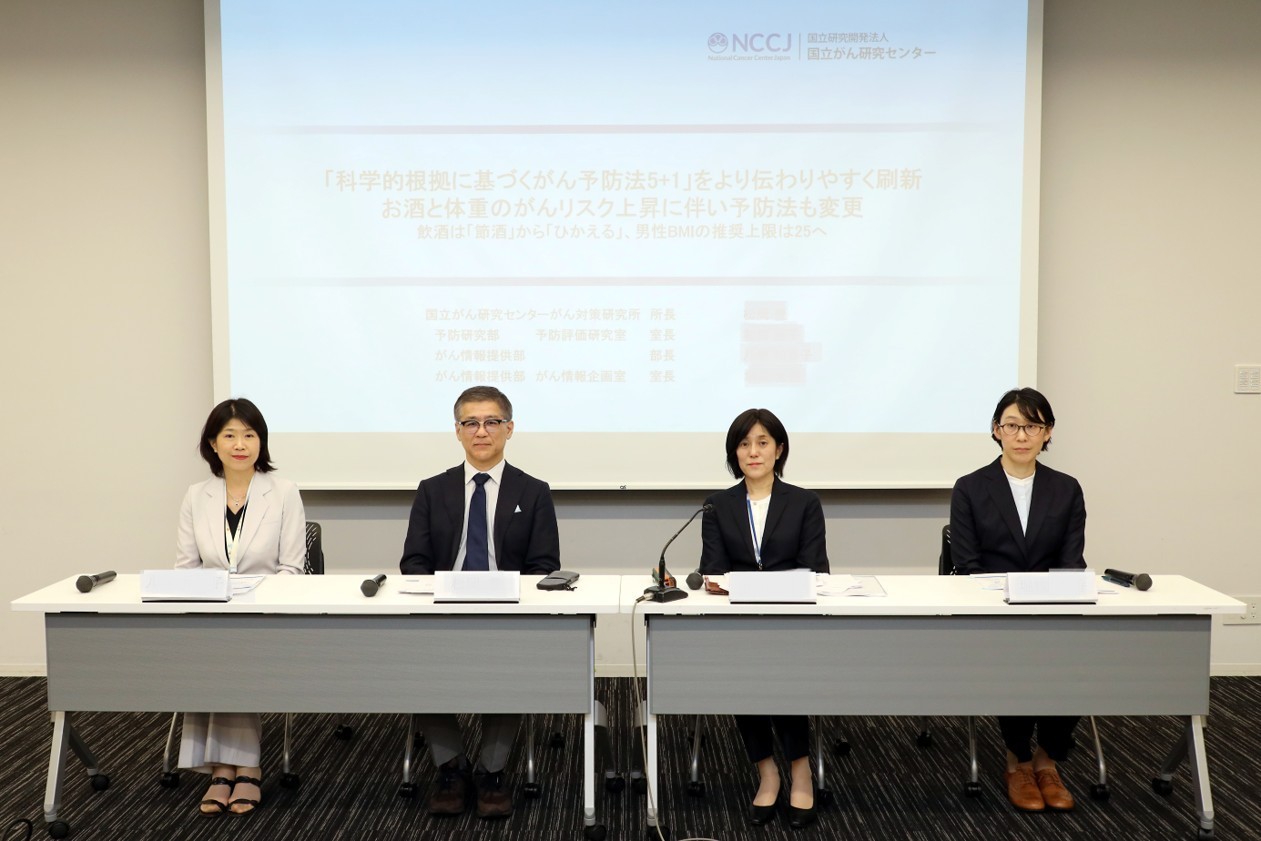
| Recently, our research group, The Research Group for the Development and Evaluation of Cancer Prevention Strategies in Japan, released an updated version of the Evidence-Based Cancer Prevention 5+1 recommendations for the Japanese population. The update reflects the latest scientific evidence on cancer risk factors and prevention. One of the most notable updates was the change in the recommendation on alcohol consumption. Based on accumulating evidence showing that even low levels of alcohol intake can increase cancer risk, the recommendation was revised from “drink in moderation” to “limit or avoid alcohol consumption.” We believe that this change contributed to the strong public and media interest in the announcement. The press briefing attracted many journalists and was featured by NHK on the evening of the release, followed by coverage in television programs, web news outlets, and other media. We continue to receive requests for interviews from magazines and public information publications. |
|
| Another important aspect of this revision was our effort to improve not only the scientific content but also the way it is communicated. In collaboration with the Cancer Information Service, we renewed the booklet and web content presenting the recommendations. Throughout the process, we incorporated feedback from patients and members of the public to make the information clearer, more practical, and more sensitive to the perspectives of those who use it. Our goal was to balance scientific accuracy with accessibility and usability. These experiences remind us that producing scientific evidence is only one part of cancer prevention. Equally important is ensuring that research findings are communicated in ways that people can understand, trust, and use in their everyday lives. We will continue our efforts to translate research findings into effective cancer prevention action for the Japanese public. At the same time, collaborations with large-scale cohort studies and international research networks, including the Asia Cohort Consortium, remain essential for generating the evidence that supports cancer prevention recommendations. |
|
 |
What Is the “Evidence-Based Cancer Prevention 5+1”? The “5+1” framework focuses on six scientifically supported actions that can help reduce cancer risk in the Japanese population: • Do not smoke and avoid secondhand smoke. • Limit or avoid alcohol consumption. • Follow healthy dietary habits: o Reduce salt intake. o Eat sufficient amounts of vegetables and fruits. o Allow very hot foods and drinks to cool before consuming them. • Stay physically active. • Maintain a healthy body weight. • Prevent and manage cancer-related infections through testing, vaccination, and appropriate treatment when necessary. |
 |
|
| Attending the IARC@60 Conference |
| Published August 7, 2026, Shiori Tanaka (National Cancer Center Japan) |
| My name is Shiori Tanaka from the National Cancer Center Japan. I have been serving as a member of the ACC coordinating center since 2025, and it is a great honor to support this outstanding international collaboration. I recently had the opportunity to attend IARC@60 Conference: Cancer Research into Action, held in Lyon, France, to celebrate the 60th anniversary of the International Agency for Research on Cancer (IARC). The conference brought together researchers, policymakers, public health professionals, and international organizations from around the world to discuss how cancer research can be translated into effective prevention and public health action. What impressed me most was IARC’s strong emphasis on moving “data into action.” Beyond generating high-quality scientific evidence, the conference focused on how research findings can be translated into policies and implemented through partnerships with governments, healthcare systems, and local communities. A highlight for the ACC community was the presentation by Dr. Mayo Hirabayashi, the lead coordinator, who introduced the ACC and its achievements in promoting international collaboration across Asia. It was wonderful to see the strong interest from participants and the recognition of ACC’ unique contribution to cancer epidemiology. It reminded me that international collaborations such as ACC are essential not only for producing evidence but also for translating it into better public health. Finally, Lyon itself was a beautiful city with amazing bread and cheese. I hope we will have another opportunity to meet there in the future to enjoy Lyon’s wonderful food together! |
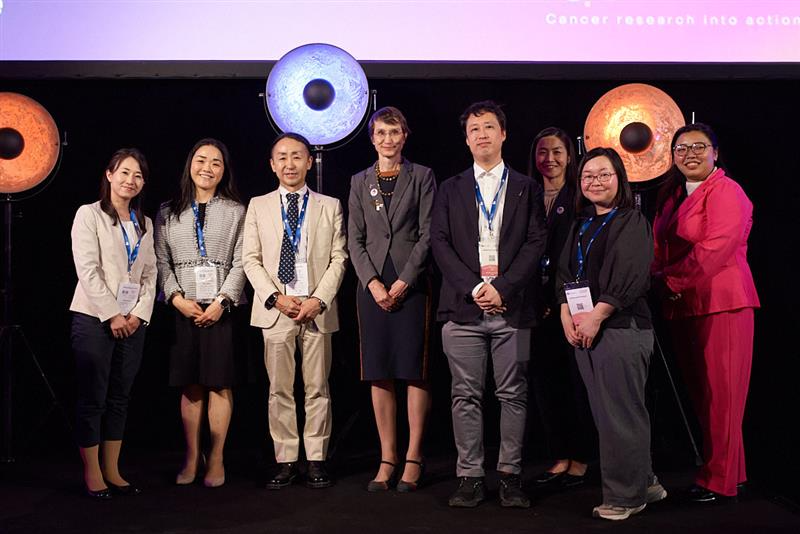 |
| Photo caption: From left to right: Shiori Tanaka (myself), Dr. Mayo Hirabayashi, and in the center, Dr. Elisabete Weiderpass, Director of the IARC. |
| 2026 ACC Spring Working Group Meeting | |
| Published June 3, 2026, Jiyoung Hwang (Seoul National University) | |
 |
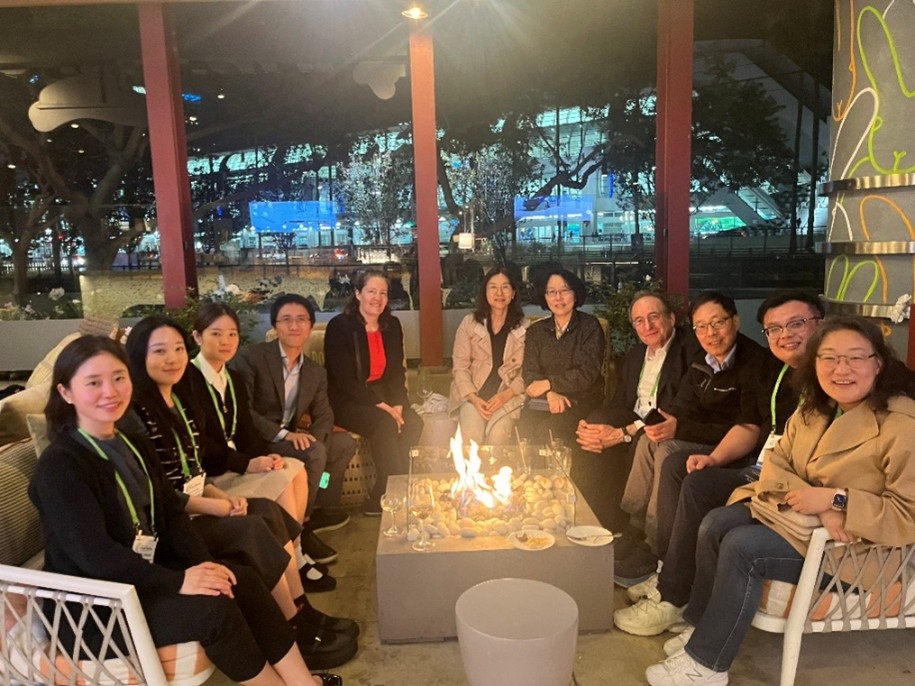 |
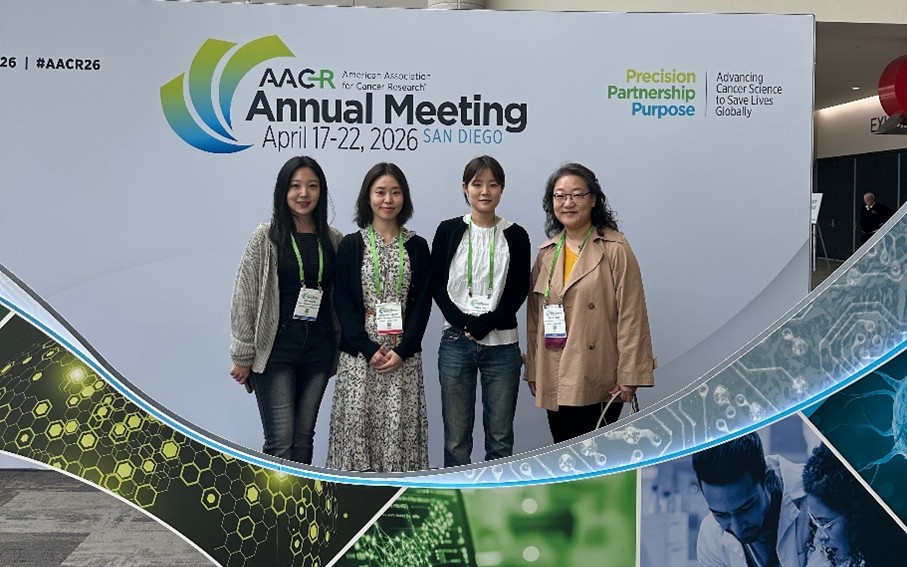
| I am Jiyoung Hwang from Seoul National University, currently working on the ACC project “#64 Dietary Calcium Intake and the Risk of Colorectal Cancer” led by Professor Aesun Shin. The 2026 ACC Spring Working Group Meeting was held during the AACR Annual Meeting in San Diego. Researchers and collaborators joined the meeting to share updates on ongoing ACC projects and discuss future research activities across the consortium. The meeting covered a wide range of topics, including studies on sleep duration and colorectal cancer, obesity-related cancer risk, smoking and gynecological cancer, and reproductive factors and liver cancer in Asian populations. There was also an introduction to the Hong Kong MJ cohort and discussions on future ACC meetings. I was impressed by how actively researchers exchanged ideas and experiences across different projects. It was also my first visit to San Diego, which made the experience even more memorable. I especially enjoyed hearing about different cohort studies and collaborative research ideas, and I felt that many of the discussions on variables and cohort characteristics could be helpful for my research as well. During AACR 2026, ACC members attending the conference also gathered for a dinner hosted by Dr. Paolo Boffetta. The dinner was wonderful.. and gave me a chance to talk more freely in a relaxed atmosphere. The weather in San Diego was beautiful, and it was really nice to spend time outside. I would like to thank Dr. Paolo Boffetta, the ACC Coordinating Center for organizing the meeting, and Professor Aesun Shin for giving me the opportunity to participate in ACC project. |
|
| ACC Working Group Meeting 2026 in Nagasaki and Visit to NCCJ | |
| Published March 5, 2025, Thiess Lorenz and Francisco Ojeda (University Heart and Vascular Center Hamburg) | |
| On January 30th, we attended the Asia Cohort Consortium (ACC) Workgroup Meeting in Nagasaki, which took place during the joint meeting of the Japanese Epidemiology Association and the International Epidemiology Association – East Asia and Western Pacific Region. The conference was opened by Prof. Kaneko, who emphasized the importance of strengthening collaboration across epidemiological disciplines and highlighted the responsibilities of epidemiology in a rapidly changing world. It was a great pleasure to meet, under the leadership of Prof. Manami Inoue, in person many of the researchers and colleagues with whom we had previously interacted mainly through virtual meetings and email. The workgroup meeting provided an excellent opportunity to exchange updates on ongoing ACC activities, including presentations from the nutritional and reproductive health workgroups as well as several collaborative research projects. For both of us, it was the first visit to Japan and a truly unique experience. The conference covered a wide range of topics, including but not limited to the long-term health effects of radiation exposure, planetary health, the impact of evolving diagnostics and guideline changes on epidemiological data, and multiple perspectives on artificial intelligence, ranging from practical implementation to methodological and ethical considerations. |
|
 |
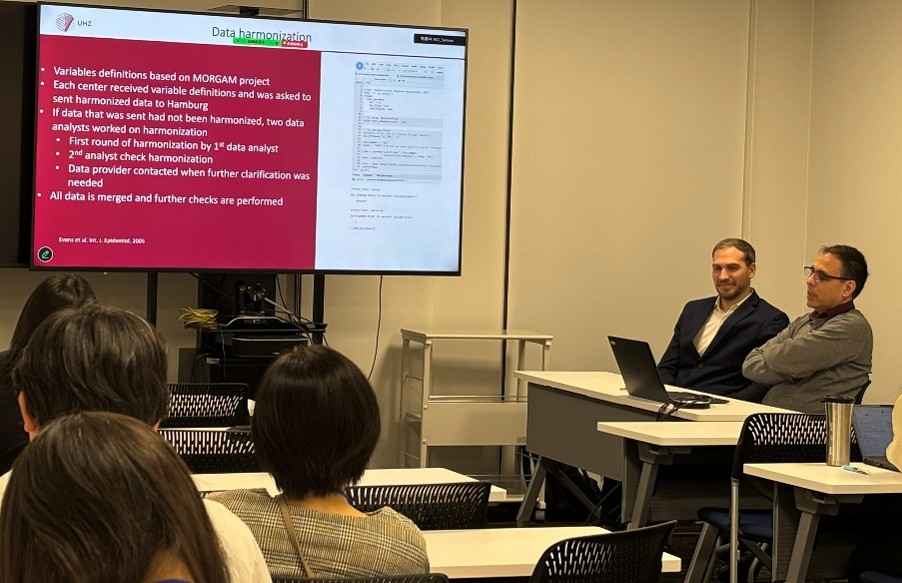 |
| Following the ACC Workgroup Meeting, we visited the National Cancer Center Japan in Tokyo, where we gave a special seminar presenting six years of work on chronic diseases within the Global Cardiovascular Risk Consortium. In addition to the seminar, we had the opportunity to gain deeper insights into the infrastructure and long-term development of the Asia Cohort Consortium and to exchange experiences on the challenges and opportunities of managing a data center. Our discussions focused in particular on practical aspects of consortium governance, including governance structures, working group organization, and strategies to ensure that research projects progress efficiently and are completed within reasonable timeframes. We exchanged experiences on harmonization approaches and how variable definitions and data structures evolve over time, as well as on the resources required to maintain a sustainable data center infrastructure. Finally, we discussed publication processes and ways to balance open scientific collaboration with transparent project management and fair authorship guidelines. The ACC model of organizing research activities through thematic working groups and holding regular consortium meetings twice per year was impressive and provided valuable insights. The visit included many open and informal discussions that helped our mutual understanding, including a lovely shared lunch... We are very grateful for the openness and generosity with which our colleagues shared their knowledge and experiences, and the visit fortified our scientific exchange for potential future collaborations. We would both like to thank Manami, Yoko, Mayo, Keiko, and Shafiur for their hospitality and kindness. |
|
| Coordinating Center member visited filed site of the HEALS cohort | |
| Published February25, 2026, Shafiur-Rahman (NCCJ, ACC Coordinating Center) | |
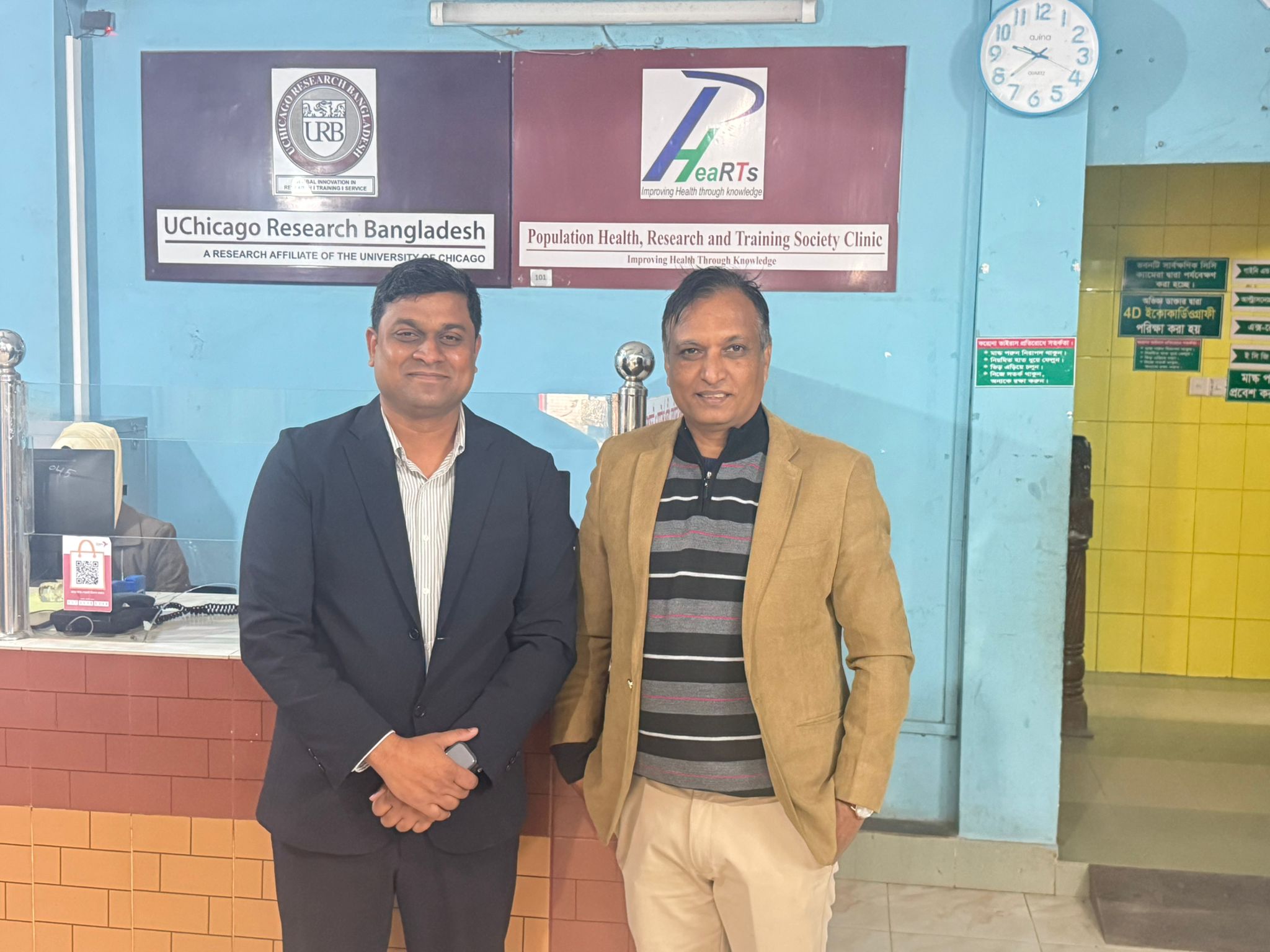 |
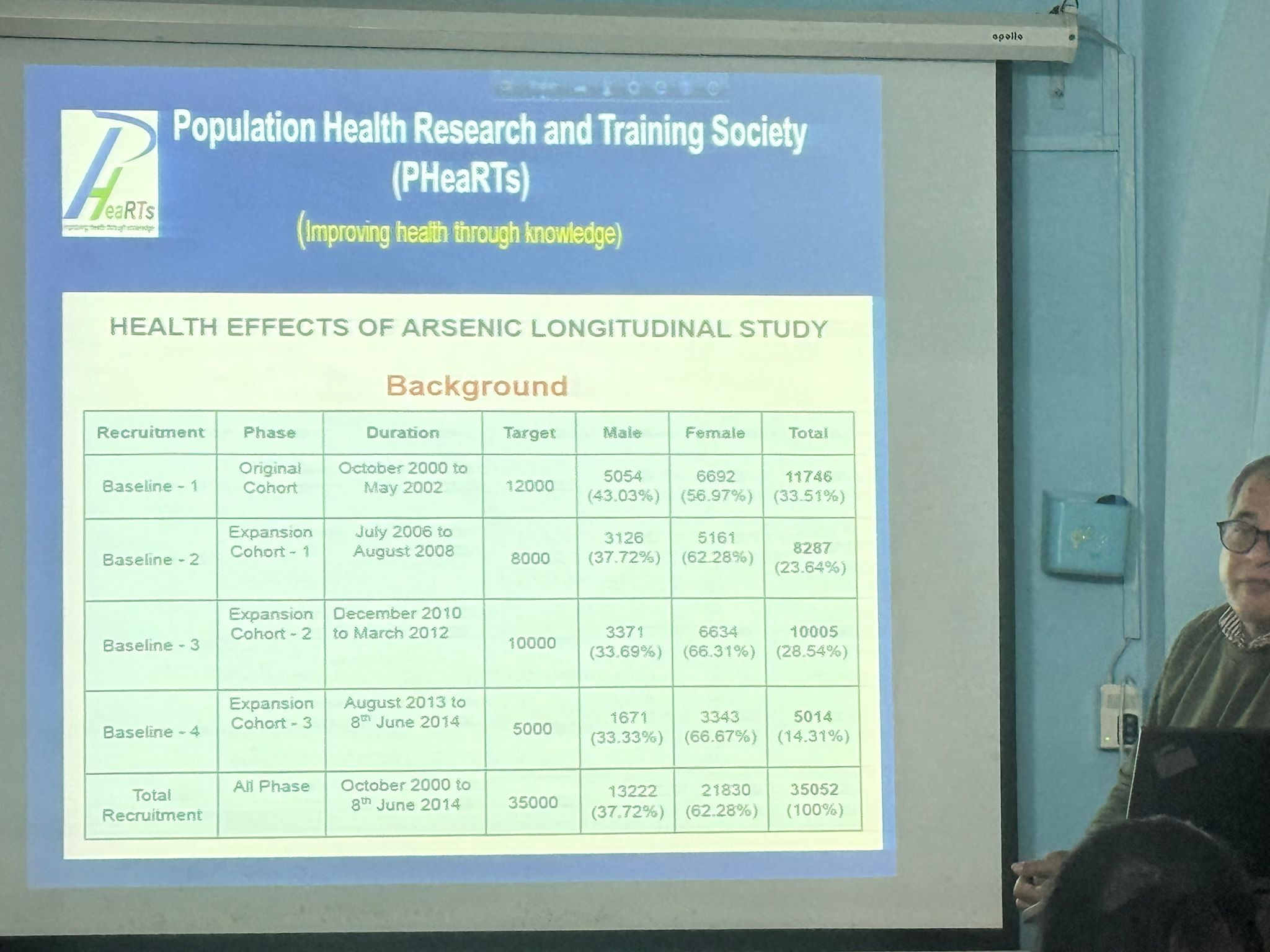
In January, Shafiur Rahman from the ACC Coordinating Center visited the Arsenic Hospital and the Population Health Research & Training Society (PHeaRTs) in Araihazar upazila, Narayanganj district, Bangladesh—the field site of the HEALS cohort (PI: Prof. Habibul Ahsan). During the visit, he met Dr. Alauddin Ahmed (Chief Executive Officer of PHeaRTs) and Dr. H. E. M. Mahbubul Eunus (Director, Research and Services, PHeaRTs). They discussed the development of the HEALS cohort and its broader contributions to community health. The site, initially established as a field clinic for participant recruitment and biological sample collection under UChicago Research Bangladesh (URB), later expanded into a general hospital and community health platform. Sustained community trust was central to this transition. The facility is now widely known locally as the “Arsenic Hospital.” Araihazar upazila is characterized by elevated groundwater arsenic and industrial air pollution, where the HEALS cohort enrolled approximately 37,000 participants and collected detailed exposure, clinical, and biological data at baseline and through ongoing biennial follow-up. The team also discussed newly initiated projects involving the second generation of cohort participants, highlighting the long-term vision of integrating research, clinical services, and community engagement. |
 |
|
| ACC General Membership Meeting 2025 in Zhengzhou |
| Published February, 2026, Mayo Hirabayashi (NCCJ, ACC CC) |
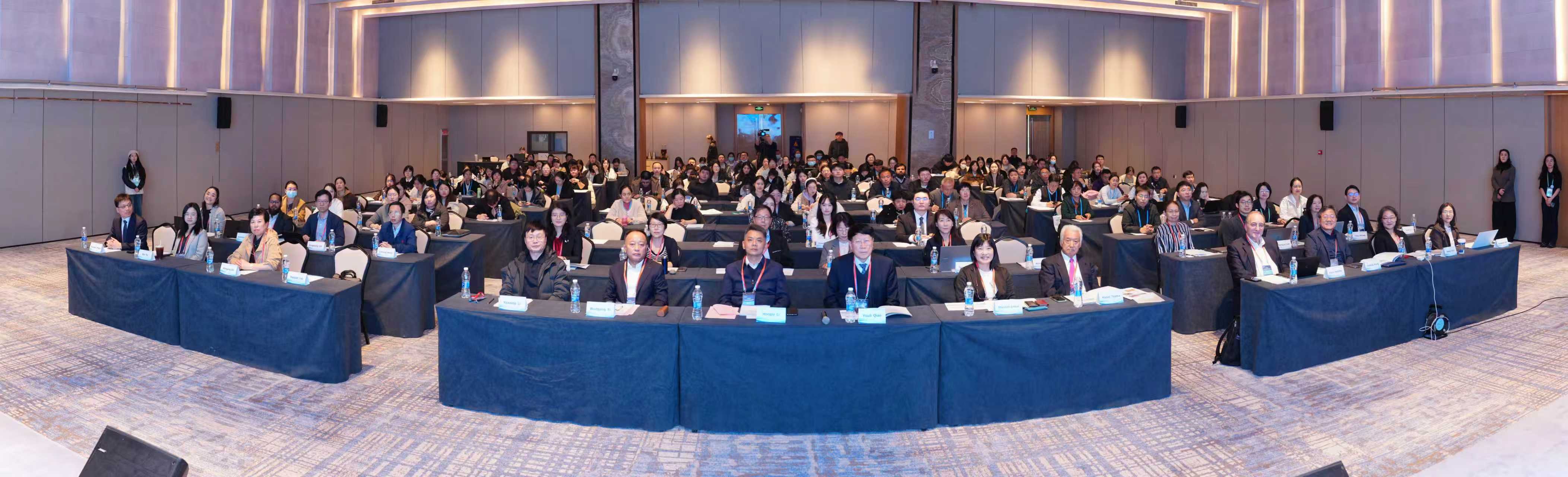 |
| The Asia Cohort Consortium General Membership Meeting was successfully held in Zhengzhou, China, on October 30–31, 2025, bringing together ACC members and collaborators from across Asia and beyond. The GMM provided a valuable platform, highlighting the shared commitment of the ACC community to advancing evidence-based research for Asian populations. Under the leadership of Chair Dr. Youlin Qiao, and with the dedicated support of Drs. Shaokai Zhang and Jinyu Zhang, the local organising team, ensured a smooth and highly engaging meeting. Scientific sessions, discussions, and networking opportunities fostered active dialogue among researchers. In addition to the scientific program, participants enjoyed a memorable banquet, offering an opportunity to connect in a relaxed and welcoming atmosphere while experiencing local cuisine and hospitality. Following the meeting, an optional site visit to the Shaolin Temple allowed participants to experience the region’s rich cultural heritage. The success of the meeting was made possible by the outstanding efforts of the Organising Committee and the warm hospitality extended by our colleagues in Zhengzhou. Their careful preparation and dedication created an environment that encouraged meaningful exchange. Building on the momentum generated in Zhengzhou, the next GMM will be held in Japan in December 2026, continuing collaboration to further advance research across the region. |
| GMM Site Visit in ZhengZhou | |
| Published September 17, 2025, Mayo Hirabayashi (NCCJ, ACC Coordinating Center) | |
 |
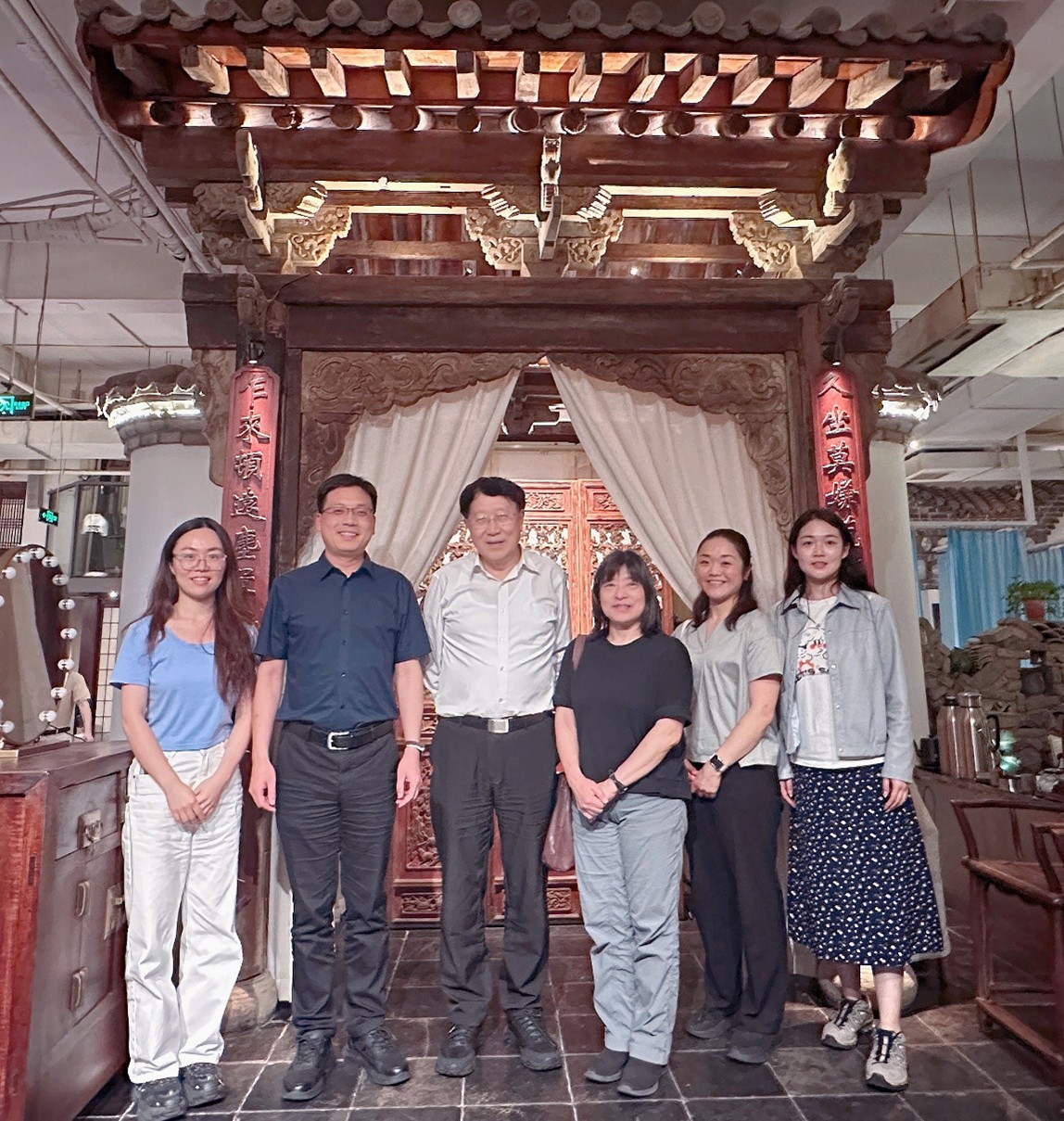 |
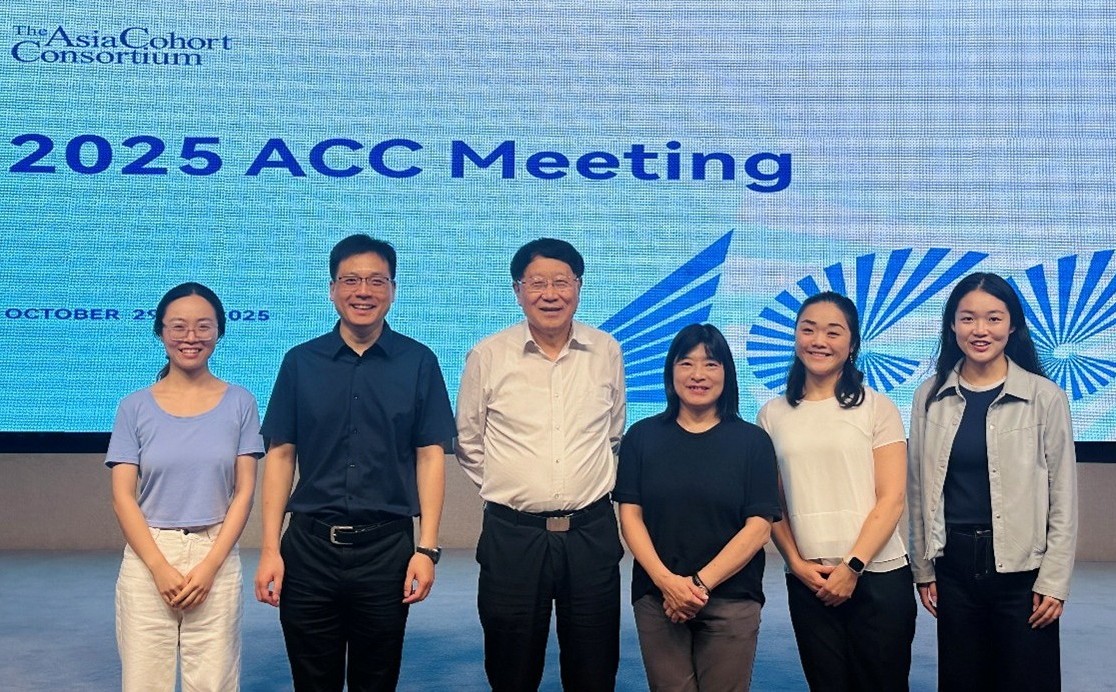
| In August, Manami Inoue and Mayo Hirabayashi from the National Cancer Center Japan visited Zhengzhou, China, for a site visit in preparation for the upcoming ACC General Membership Meeting (GMM), which will be held on October 30–31, 2025. The visit was a wonderful opportunity to work closely with the local organising team, led by Chair Dr. Youlin Qiao, whose leadership has been instrumental in shaping the meeting. With the valuable guidance of Prof. Shokai Zhang and Dr. Jinyu Zhang, whose commitment has greatly contributed to the GMM preparation, we reviewed the venues and discussed arrangements, sharing ideas on how to make the gathering both successful and memorable. We were truly impressed by the Organising Committee’s dedication and tireless efforts to ensure a meaningful and well-coordinated event. We are deeply grateful to our colleagues in Zhengzhou for their warm hospitality and preparations. With their strong support and the collaborative spirit of the ACC community, we look forward to welcoming participants this October and to another impactful GMM. |
|
| ACC General Membership Meeting 2024 in Seoul - Celebrating 20 Years | |
| Published November 6, 2024, Ji Yoon Baek (SNU, 20th Anniversary GMM secretariat) | |
|
|
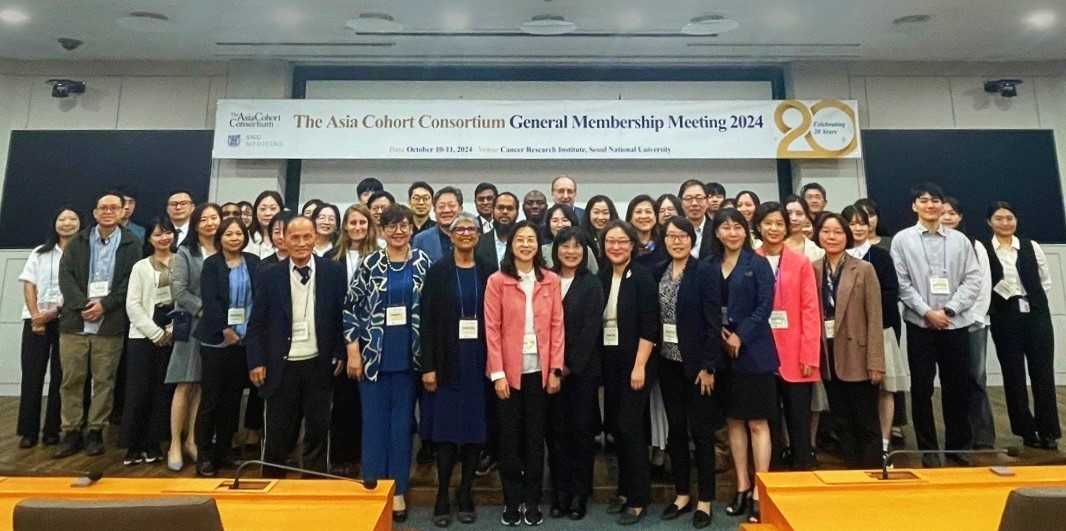
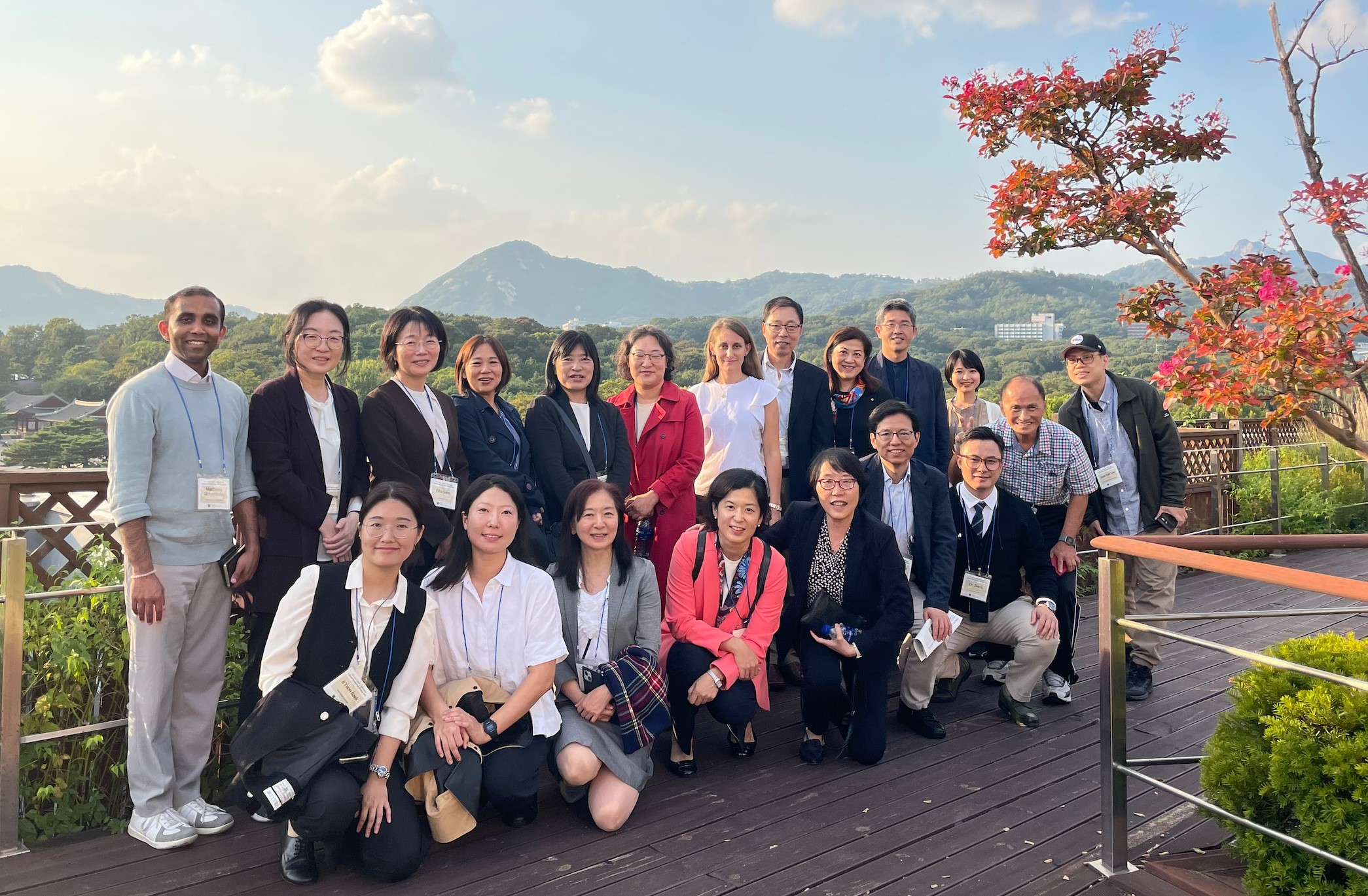
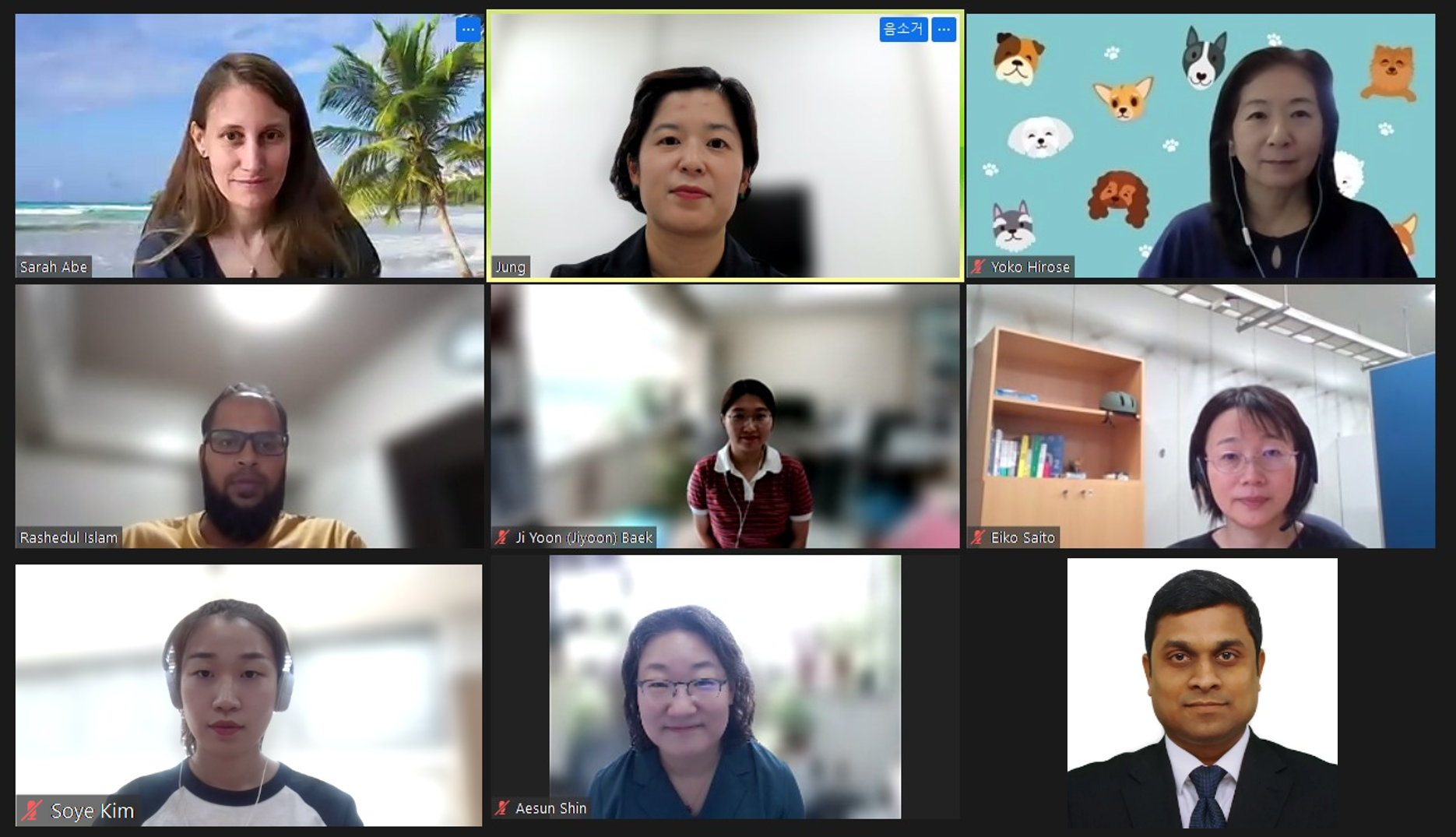
Held at the Seoul National University (SNU) Cancer Research Institute under the leadership of Dr. Aesun Shin, the General Membership Meeting (GMM) 2024 successfully marked this milestone and concluded. Returning to Seoul, where the ACC GMM first began in 2004, was a meaningful opportunity to reflect on advanced researchers' remarkable achievements and anticipate emerging researchers' contributions. |
| ACC 20th Year Commemorative Book | |
| Published October 29, 2024, Soye Kim (SNU, 20thAnniversary GMM publication team) | |
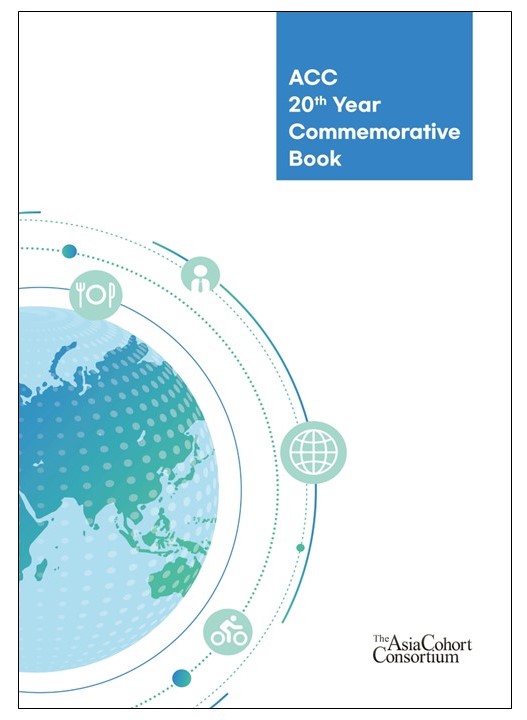 |
It has been an honor to contribute to the creation of a commemorative booklet celebrating the 20th anniversary of the Asia Cohort Consortium (ACC). Reflecting on ACC's history and organizing its publications provided a valuable opportunity to explore ongoing collaborative projects examining genetics, environmental exposures, and disease etiology. This milestone serves as a testament to the dedication and collaboration of researchers worldwide, working towards a healthier future. I look forward to seeing the continued growth and impact of ACC in the years to come. |
 |
|
| Team Jeongseon Kim | |
| Published January 22, 2024, Madhawa Gunathilake (National Cancer Center, Korea) | |
|
|
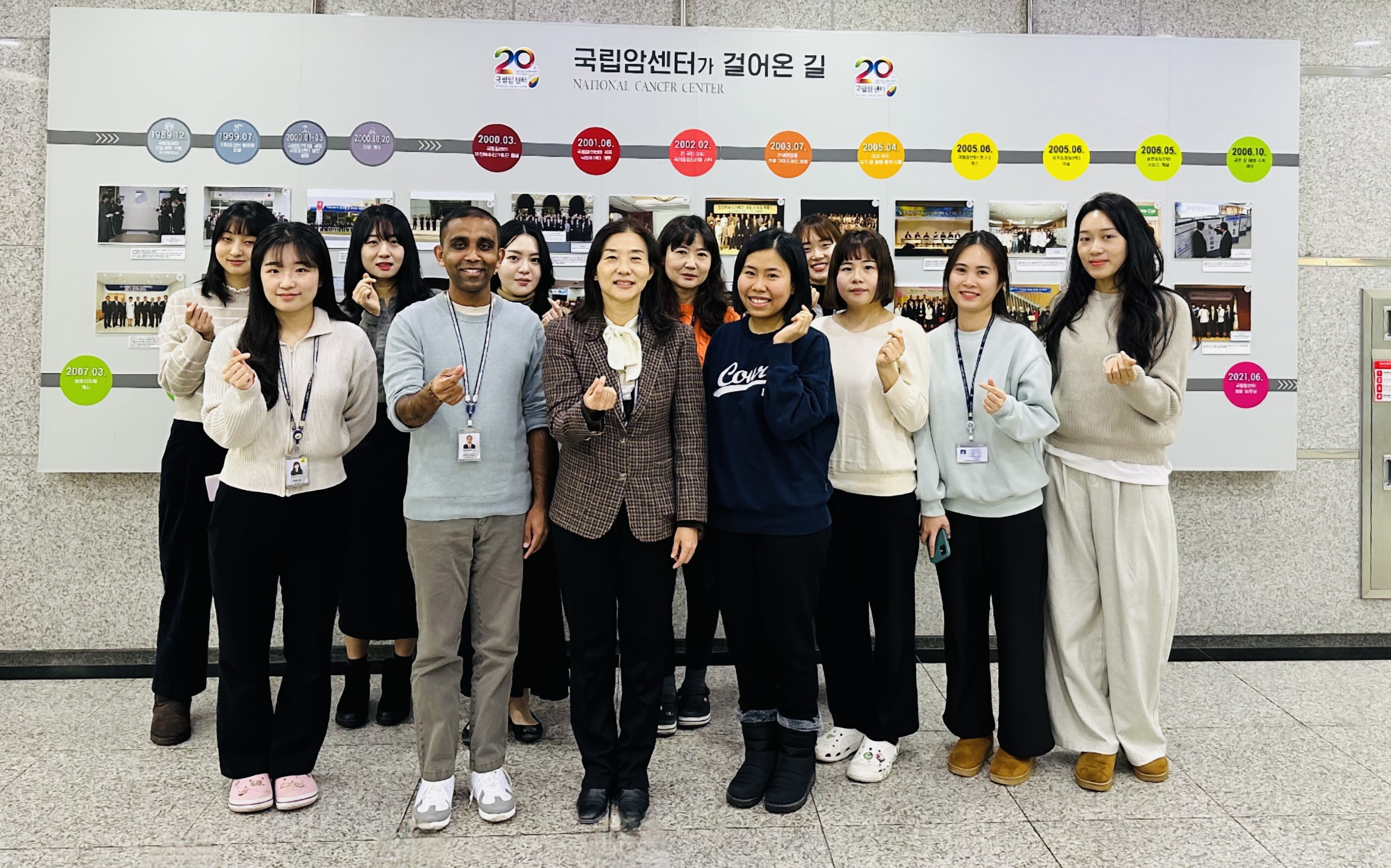
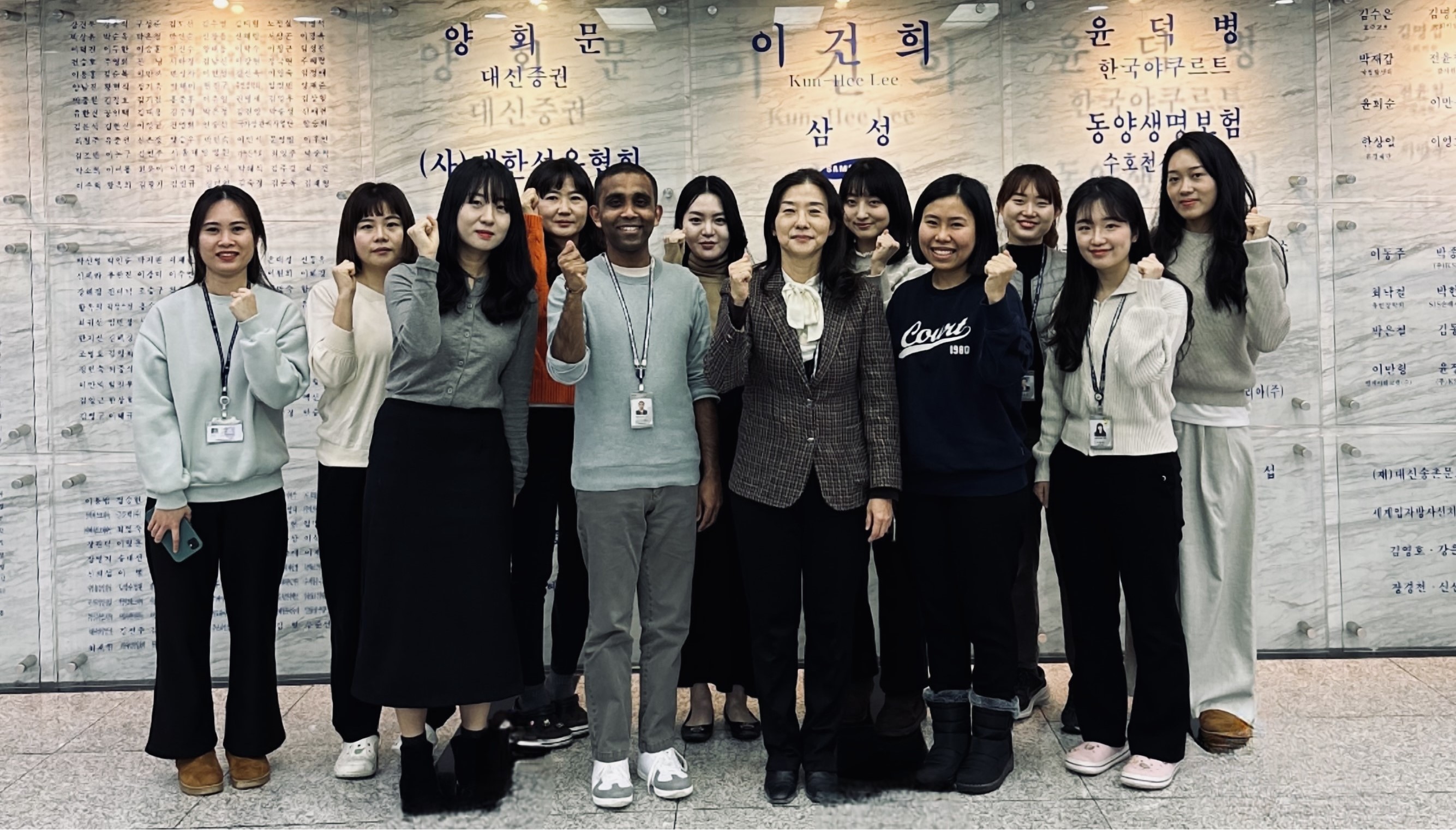
Professor Jeongseon Kim’s research laboratory is located in the Department of Cancer AI and Digital Health at the National Cancer Center Graduate School of Cancer Science and Policy in Korea. Our lab’s primary focus is on exploring the interplay between dietary factors, genetics, and the microbiome within the framework of omics. We utilize epidemiological approaches such as nutritional and systems epidemiology, aiming to prevent cancer. Professor Kim also holds the position of principal investigator in the Korea National Cancer Center Cohort and engages in collaborations with numerous national and international institutes and consortia. As an executive committee member of the Asia Cohort Consortium (ACC) and a leading figure in the ACC diet working group, Professor Kim plays a crucial role in propelling forward the future of cancer research. |
| Team Sue K. Park |
| Published December 14, 2023, Sangjun Lee (Seoul National University) |
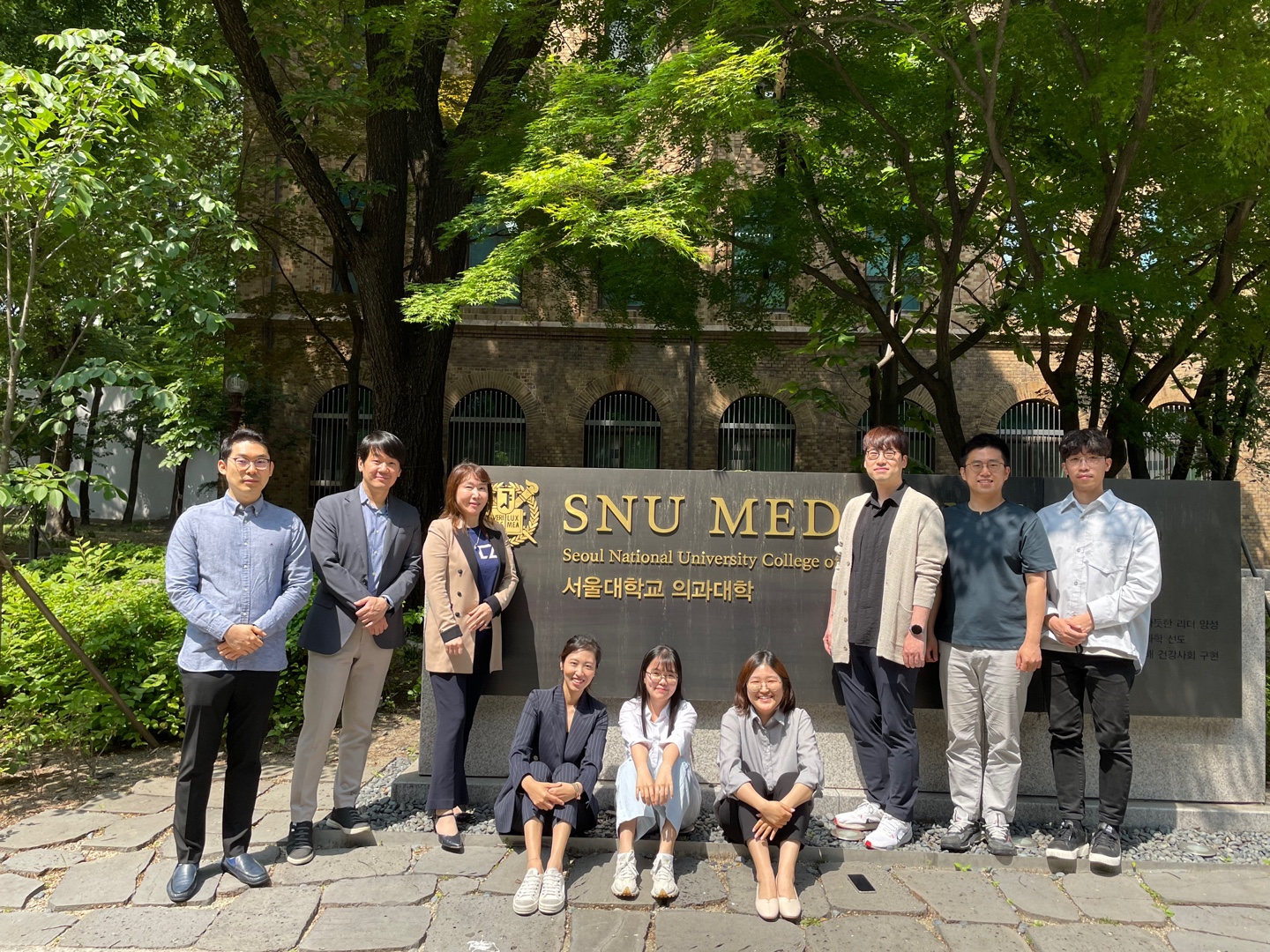 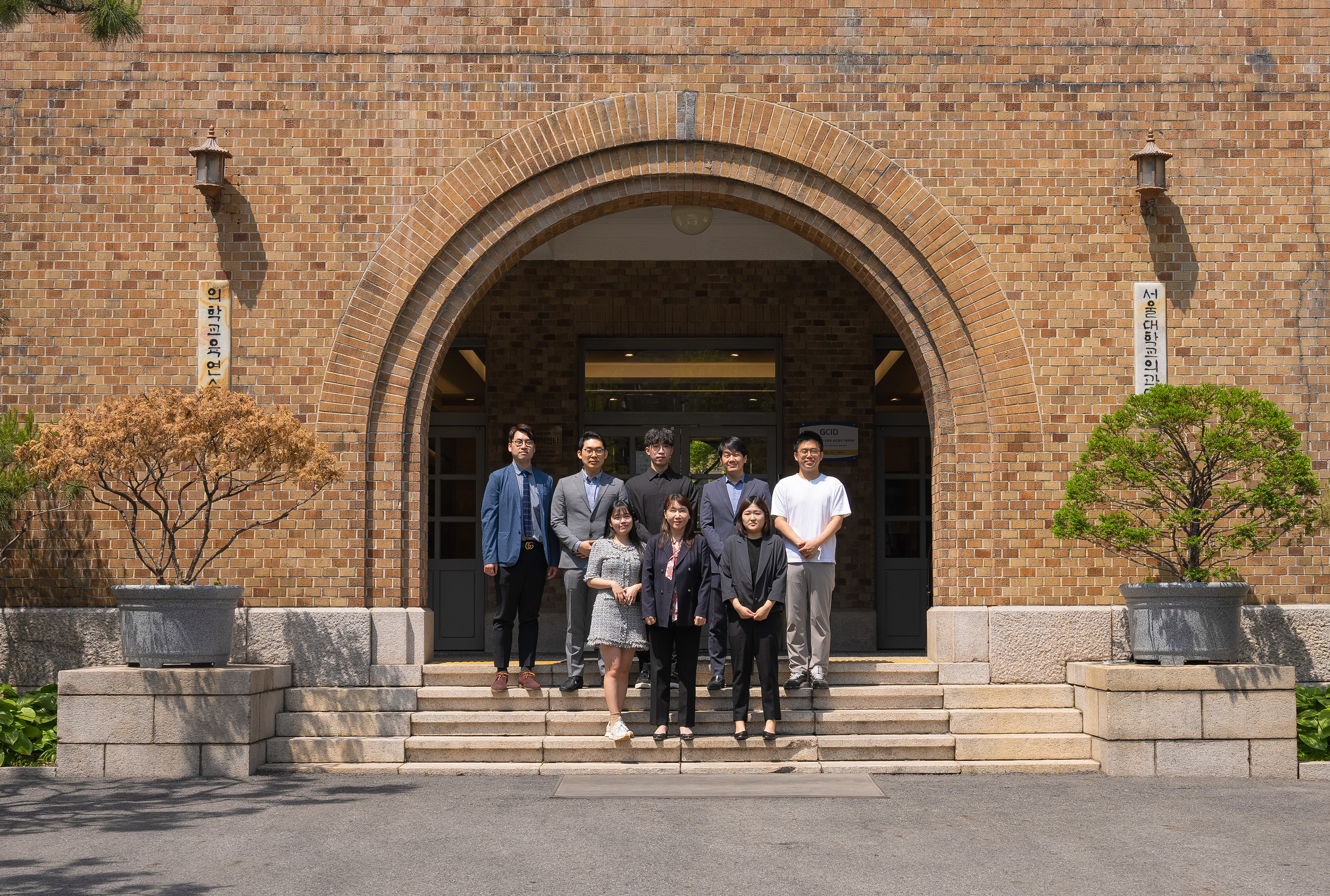 |
| The research lab of Sue K. Park, located at the Department of Preventive Medicine in Seoul National University College of Medicine, is a precision medicine laboratory. Our goal is to develop algorithms that can predict the onset of chronic diseases and ultimately aim at preventing them. As the principal investigator of the Korean Multicenter Cancer Cohort, Dr. Sue K. Park is currently managing the cohort and conducting collaborative research with various institutions across the country. |
| Harmonious Strides: A Recap of the Asia Cohort Consortium General Meeting |
| Published December 8, 2023, Daisy S Sibale (Aichi Cancer Center) |
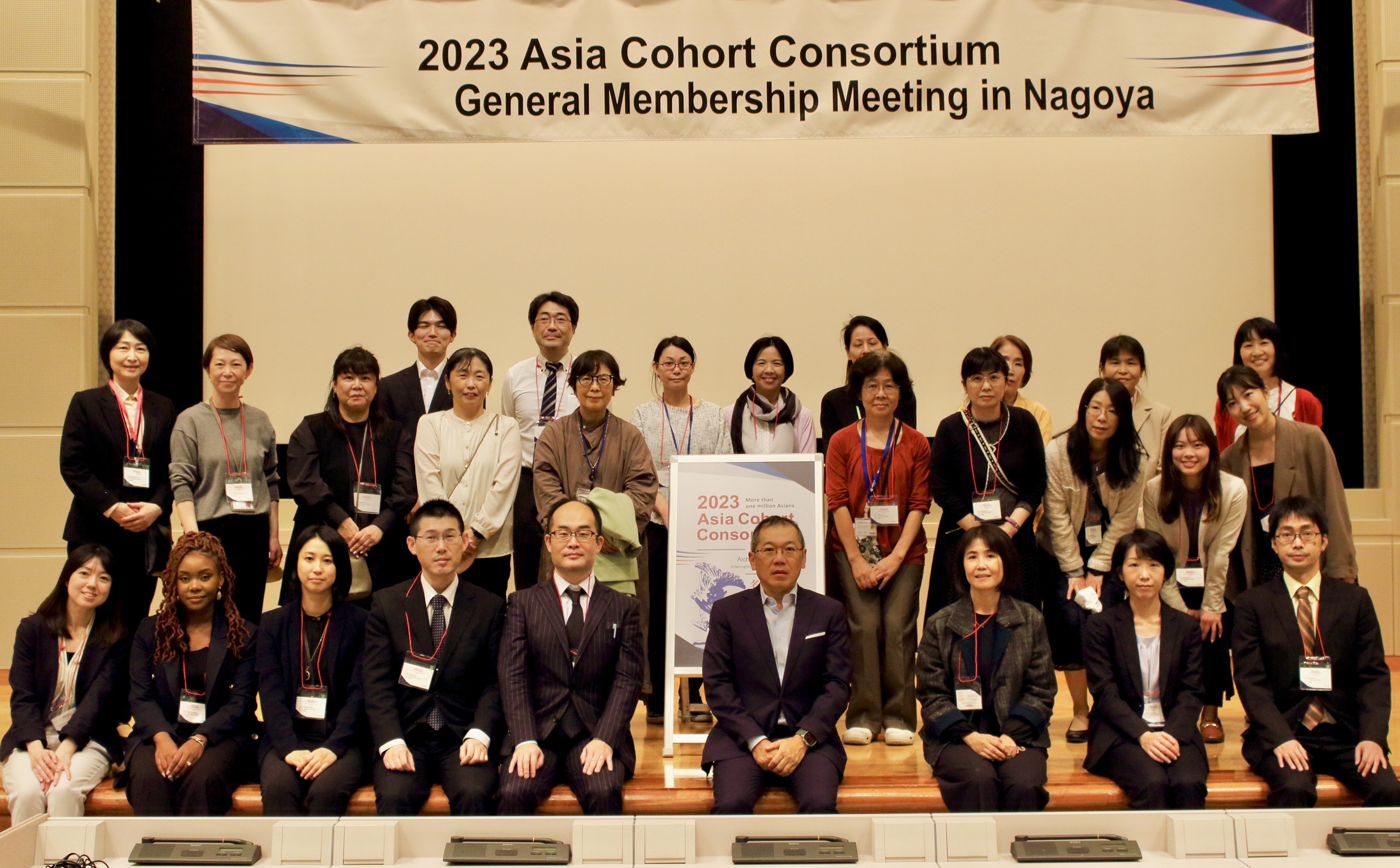 |
| As hosts of the Asia Cohort Consortium General Membership Meeting 2023, our journey was an exhilarating blend of coordination, collaboration, and inspiration. Dr. Keitaro Matsuo's adept leadership injected a fresh vibrancy into Aichi Cancer Center, setting the stage for a dynamic event. Witnessing the seamless integration of diverse minds and ideas, our team's tireless efforts to ensure a harmonious symphony of knowledge left an indelible mark. The collaborative energy that pulsed through the conference halls, whether during engaging educational sessions or the inclusive tai-chi session, showcased the true spirit of the consortium. The introduction of the new Executive Committee, with Dr. Manami Inoue at the helm, marked a pivotal chapter, promising an exciting future for the Asia Cohort Consortium. Reflecting on our highlights, it's the shared voyage towards progress that stands out, leaving us with a profound sense of purpose and pride. |